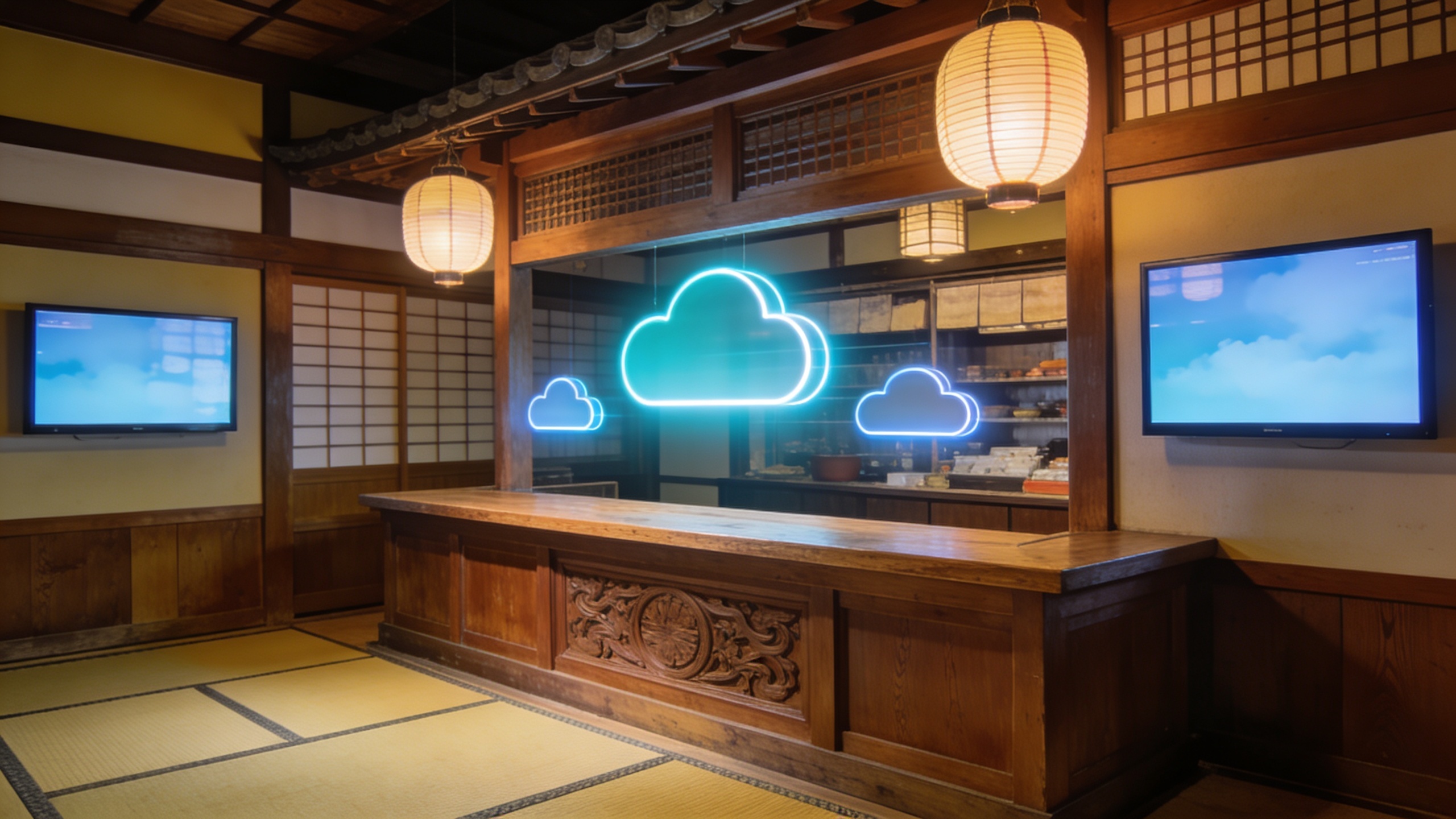
The Moment “Consideration,” a Form of Inefficiency, Was Resolved by IT
Founded in 1886 (Meiji 19). News of a long-established company’s “the analog” workplace successfully digitizing has been making waves. What makes this case noteworthy beyond mere “operational efficiency” is that it redesigned “consideration”—a unique aspect of Japanese corporate culture—through IT.
Many managers tend to dismiss “analog culture” as inefficient and rush into paperless initiatives or RPA implementation. However, the key to this company’s success lies in not denying the workplace’s “consideration,” but rather amplifying it with IT.
For example, meticulous attention to customers often resulted in double-checking and excessive paperwork. Simply trying to streamline this with IT would lower employee morale and degrade service quality. Under the collaboration between the sixth-generation president and an external DX expert, the company took an approach of analyzing the essence of “consideration” and implementing it through IT.
The Misalignment of “IT’s Objective Function” That Managers Overlook
This case highlights the importance of the “objective function” that management must define before introducing IT. When asked, “Why are we implementing IT?” many companies answer, “To improve operational efficiency” or “To reduce costs.” However, these are means, not the true purpose.
The goal of the aforementioned company was “to create a sustainable operational structure without compromising the quality of consideration.” Because this goal was clear, they could make the seemingly contradictory choice to “digitize while preserving the strengths of analog.”
Meanwhile, the news that the construction-specific AI tool “Conclude Cloud” was selected for the “Digitalization/AI Introduction Subsidy 2026” should be viewed from a similar perspective. If a tool is introduced solely to secure a subsidy, the goal shifts to “obtaining the subsidy,” and the original purpose of improving operations is neglected. Managers must recognize that “subsidies are a means, and the goal is solving on-site challenges.”
Three Steps to Implement “Consideration” in IT
So, how can you concretely embed “consideration” into IT? The following three steps are effective:
1. Visualize the Workplace’s “Tacit Knowledge”
First, list the acts of consideration that the workplace takes for granted. For example, “jotting down customer preferences in a notebook” or “verbally handing over the previous staff member’s responses.” By making these “visible” through IT, you prevent them from becoming dependent on specific individuals.
2. Ensure “Reproducibility” with IT
Design the visualized considerations so they can be reproduced within the system. For instance, create rules in a customer relationship management (CRM) system to record “preferences” and “past interaction history.” This ensures consistent service quality even when the staff member changes.
3. Support the Evolution of “Consideration” with IT
IT is merely a tool. Build mechanisms that provide “insights” to enhance the quality of consideration. For example, an AI alert like, “This customer previously asked about this product.” This enables even new employees to offer consideration close to that of a veteran.
Another Solution for “IT-izing Consideration” Shown by Recruitment DX
The recruitment DX methods that “Rakuruto” will unveil at the “Digitalization/DX Promotion Exhibition” can also be understood in this context. In recruitment, “consideration” means providing detailed communication to applicants and reducing the burden of scheduling interviews for interviewers.
Streamlining these tasks with IT isn’t just about cost reduction; it directly leads to value creation through “improving the applicant experience.” For example, by making automated reply emails to applicants personalized messages tailored to their background—rather than generic templates—a company’s impression can change significantly.
Managers should view recruitment DX not as “reducing man-hours” but as “implementing recruitment branding through IT.” To do this, it’s essential to clarify the goal of “how we want applicants to feel” before introducing IT.
The Essence of IT Implementation, as Shown by a “The Analog” Company
The case of the company founded in 1886 poses an important question: “Is your company’s ‘analog’ truly inefficient?”
In many cases, behind analog operations lies a company’s “DNA”—such as consideration for customers or a commitment to quality. Simply “streamlining” this with IT risks losing the company’s very strengths.
Successful IT implementation hinges on the management decision of “what to preserve and what to change.” To make that decision, you must first articulate your company’s “strengths of analog” and design how to implement them with IT. This is the role that managers must fulfill.
What Managers Can Do Starting Today
Finally, here are some concrete actions.
First, list three of your company’s “analog tasks.” Then, sort them into those directly linked to customer satisfaction and those continued merely out of habit. Next, consider with your team how to combine IT with the “analog tasks worth preserving.”
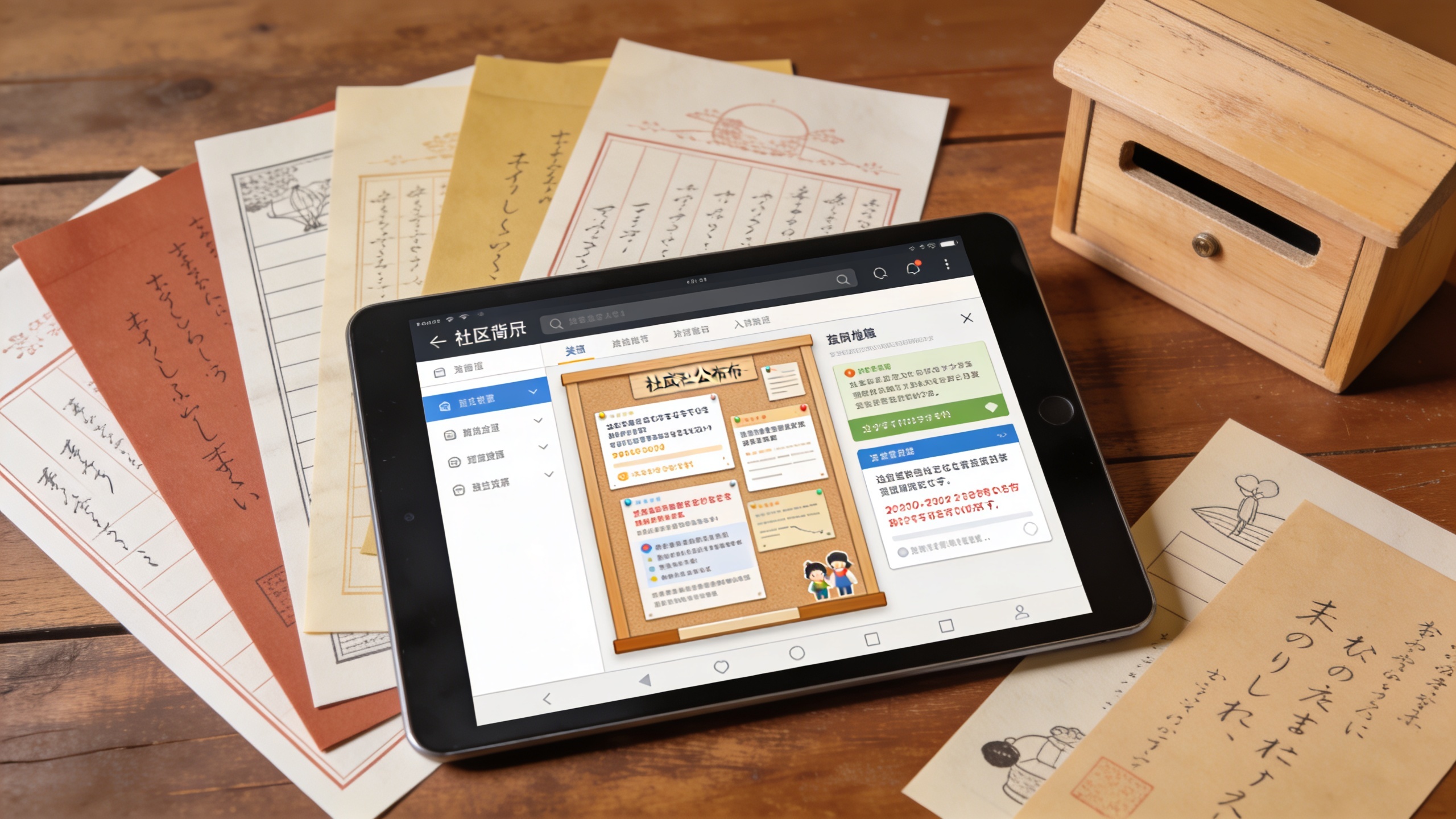
For example, if paper documents serve as a “handwritten warmth” for customers, don’t digitize them; instead, only IT-ize the back office. This kind of “hybrid” approach holds the key to sustainable DX.
IT is not a tool to kill a company’s “consideration,” but a means to amplify it and pass it on to the next generation. When managers understand this essence, true DX begins.
Comments