- Snack DX Redefines “Digitalization”
- Why “Snack Bars” Was the Right Choice
- What SMEs Without IT Departments Should Learn
- The Essence of “IT Talent” Seen in Manufacturing DX M&A Strategies
- Three Actions Managers Should Take Now
- Conclusion: IT is Not “for Experts Only” but a “Management Decision-Making Device”
Snack DX Redefines “Digitalization”
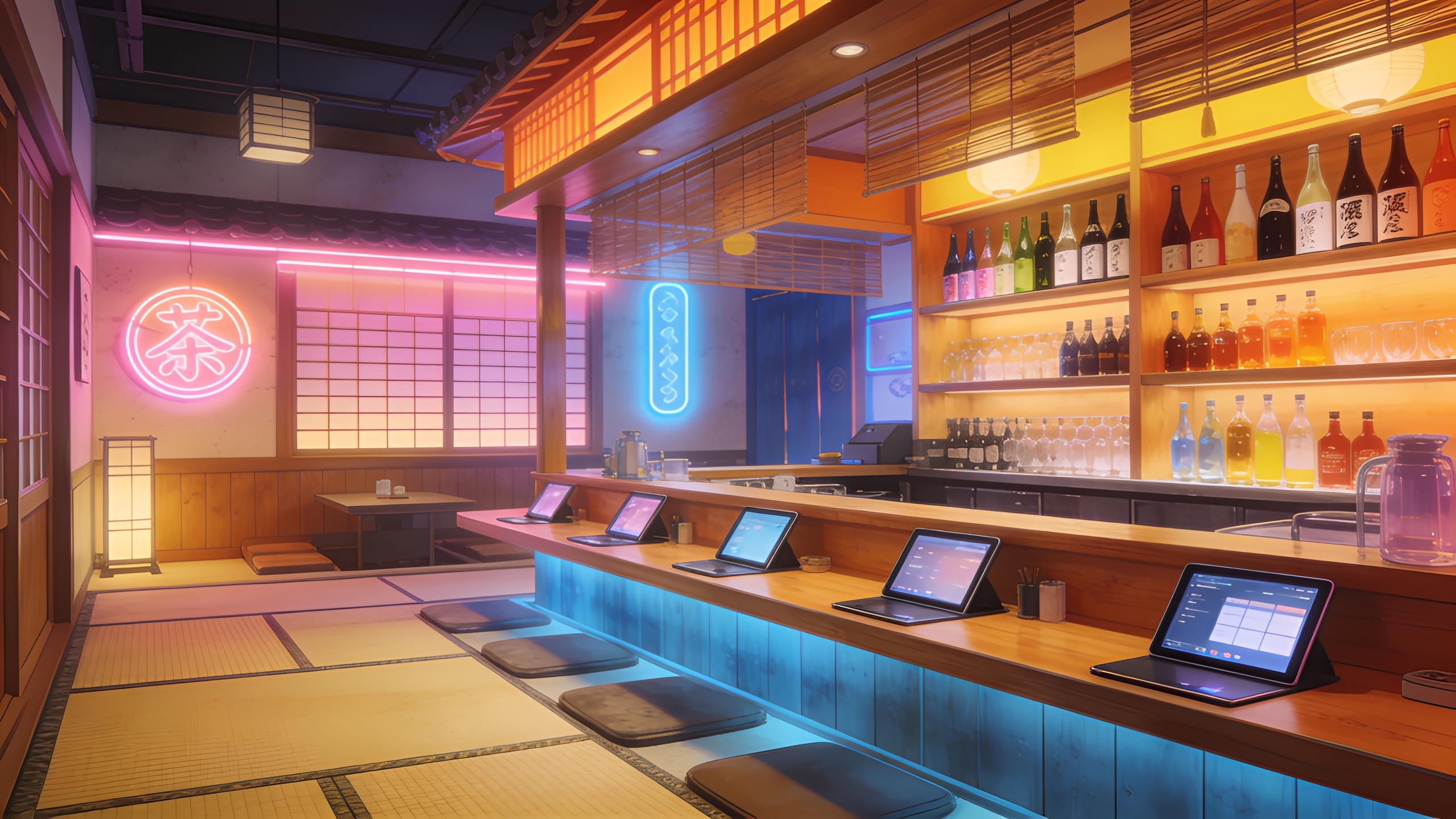
“Digitalizing snack bars” — at first glance, this seems like a niche initiative. But this news actually strikes at the heart of management and IT. Snack Tech Inc.’s 2.2 billion yen (approx. $15 million) pre-Series A funding isn’t just about cashless payments or reservation systems. There’s a deeper strategy at play.
Snack bars are deeply rooted in Japan’s “night culture,” but their operations are highly dependent on individuals. They rely on the mama-san’s intuition and experience, and relationships with regular customers, with little data or system-based management. This is exactly the same “digitalization barrier” faced by many SMEs.
Why “Snack Bars” Was the Right Choice
What’s noteworthy about Snack Tech’s approach is the clear purpose of IT implementation. “Automating sales management,” “visualizing customer data,” and “standardizing staff training” — all of these are about building a foundation for management decision-making.
In many SMEs, tools are introduced without a clear purpose. For example, “We implemented Salesforce, but the sales team doesn’t use it,” or “We introduced freee, but accounting is still on paper.” These cases are countless. Snack Tech, on the other hand, brought IT designed for management reproducibility into a world thought to be “unrelated to IT.”
This approach is a practical example of what we’ve repeatedly pointed out: “Management defines IT.” By not making IT the subject, but viewing it as an IT implementation of a business strategy, Snack DX increases its chances of success.
What SMEs Without IT Departments Should Learn
Around the same time, another news story reported the emergence of services addressing the “IT department shortage” in SMEs. This model, offering everything from Copilot implementation support to IT department outsourcing on a pay-per-use basis, is a realistic option for many SMEs.
However, there’s a crucial point to note. IT department outsourcing is merely a “means.” If management outsources without defining the purpose of IT, the fragmentation of objective functions will only accelerate. Snack Tech’s case stands apart from simple outsourcing because, while utilizing external resources, management clearly defines the purpose of IT.
SME managers need to make the following three judgments:
Link IT’s Purpose to “Management Decisions”
Clarify which management decisions each IT investment in sales management, inventory management, and customer management supports. In the case of snack bars, being able to know “how were tonight’s sales?” in real-time, rather than the next morning, changes decisions on purchasing and staffing.
Design Reproducibility to Reduce Dependency on Individuals
IT’s role is to transform “only that staff member can do it” into “anyone can do it.” Datafying the “regular customer preferences” that the snack bar mama-san holds allows even new employees to provide the same service. This is exactly the same structure as the skill succession problem in manufacturing.
Make ROI Measurable
One reason IT investments don’t yield ROI is the lack of measurement criteria. Snack Tech’s service visualizes how sales, customer numbers, and repeat rates change before and after implementation. This enables managers to make “IT investment decisions” based on data.
The Essence of “IT Talent” Seen in Manufacturing DX M&A Strategies
In another news story, Business Engineering, which supports manufacturing DX, is expanding into new business areas through M&A to address labor shortages. This trend shows that external procurement of IT talent is accelerating.
However, if the talent and technology acquired through M&A don’t align with the company’s management challenges, it will only result in “increased costs.” The key is designing external resources to function as a “management decision-making device.” Snack Tech’s case is a good example of implementing externally procured technology according to the purpose defined by management.
Three Actions Managers Should Take Now
Here are specific actions to translate the success factors of Snack DX into your own IT strategy.
Identify Your Company’s “Dependency Points”
Where are the “tasks only that person knows”? Sales customer management, manufacturing know-how, accounting rules — list these and consider whether IT can design reproducibility for them.
Define Three “Evaluation Criteria” for IT Investments
For example, evaluate all IT investments based on three axes: “sales increase,” “cost reduction,” and “risk mitigation.” This prevents the fragmentation of objective functions.
Define the “Scope of Use” for External Resources
Clarify what you will entrust to IT department outsourcing or talent acquired through M&A, and what management will decide. Instead of outsourcing everything, handle the design of data necessary for management decisions in-house.
Conclusion: IT is Not “for Experts Only” but a “Management Decision-Making Device”
The Snack DX news might seem like just a small industry story. However, its essence points to a solution for a challenge common to all SMEs: “defining IT as a management resource and designing reproducibility.”
Managers facing IT department shortages, talent shortages, and cost increases should learn from Snack DX’s approach. IT is not a technical area to be left to experts; it’s a management resource that management should directly define and design.
Is your company making IT function as a “management decision-making device”? Or are you treating it as just a “cost center”? The answer will determine your future competitiveness.

Comments