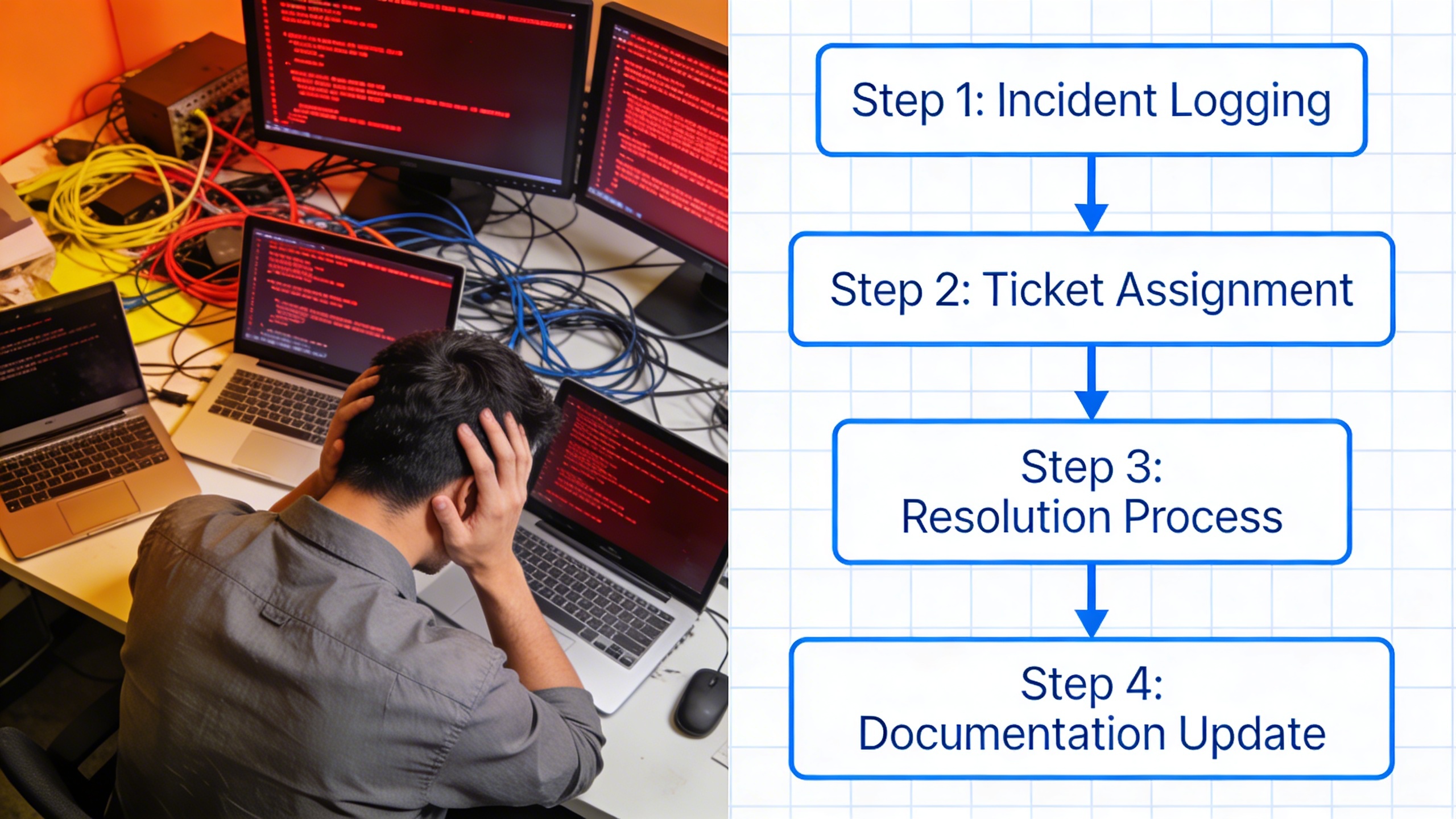
“I have no idea who is doing what with our IT.” This vague anxiety is held by many executives, especially owners of small and medium-sized enterprises. Recent news presents two different approaches to this unease.
One is the emergence of “Jōshis 365,” an outsourcing service that solves the “lone IT admin” problem for SMEs. The other is the move by Saga City to actively publicize its own DX implementation case studies on its website. At first glance, these seem like separate stories: a new private-sector service and a municipal information disclosure.
However, when we look deeply at these two through the lens of “Management x IT,” a single core challenge common to both comes into view. It is the problem of how to purchase and design “IT operational reproducibility.” What management should truly buy is not merely a “person” or a “tool,” but the “reliable, functioning mechanism” itself, free from personal dependency.
What “Jōshis 365” Sells: The Product of Eliminating Key-Person Risk
What is the essential value provided by an outsourcing service like “Jōshis 365”? It’s not simply about cost reduction or filling a manpower gap because “we lack IT administrators.” Its essence lies in replacing the negative asset of “risk dependent on a single person” with the positive asset of a “reproducible service” based on a contract.
The greatest risk of a “lone IT admin” structure is the personalization of operations. Passwords are in that person’s head, troubleshooting relies on their experience and intuition, system configurations are in an Excel file or just memory. This state means the moment that person resigns or falls ill, the company’s IT infrastructure risks a functional halt. This is no longer just a “human resource risk” but a “business continuity risk.”
A superior outsourcing service “productizes” this risk in the following forms:
- Standardized Processes: Incident response, change management, asset management, etc., are clearly defined via manuals or ticketing systems.
- Accumulation and Sharing of Knowledge: Past case responses are database-driven, not dependent on any individual’s memory.
- Multi-Person Response Structure: Service quality is maintained even if the assigned person changes.
What management is purchasing is this very “design of reproducibility.” This is an extremely important management decision that reframes IT within the domain of “Management IT.” The purpose of Management IT is “stability,” and what guarantees that stability is standardized operational processes, not personalization.
The Other Form of “Reproducibility” Shown by Saga City’s Case Study Publication
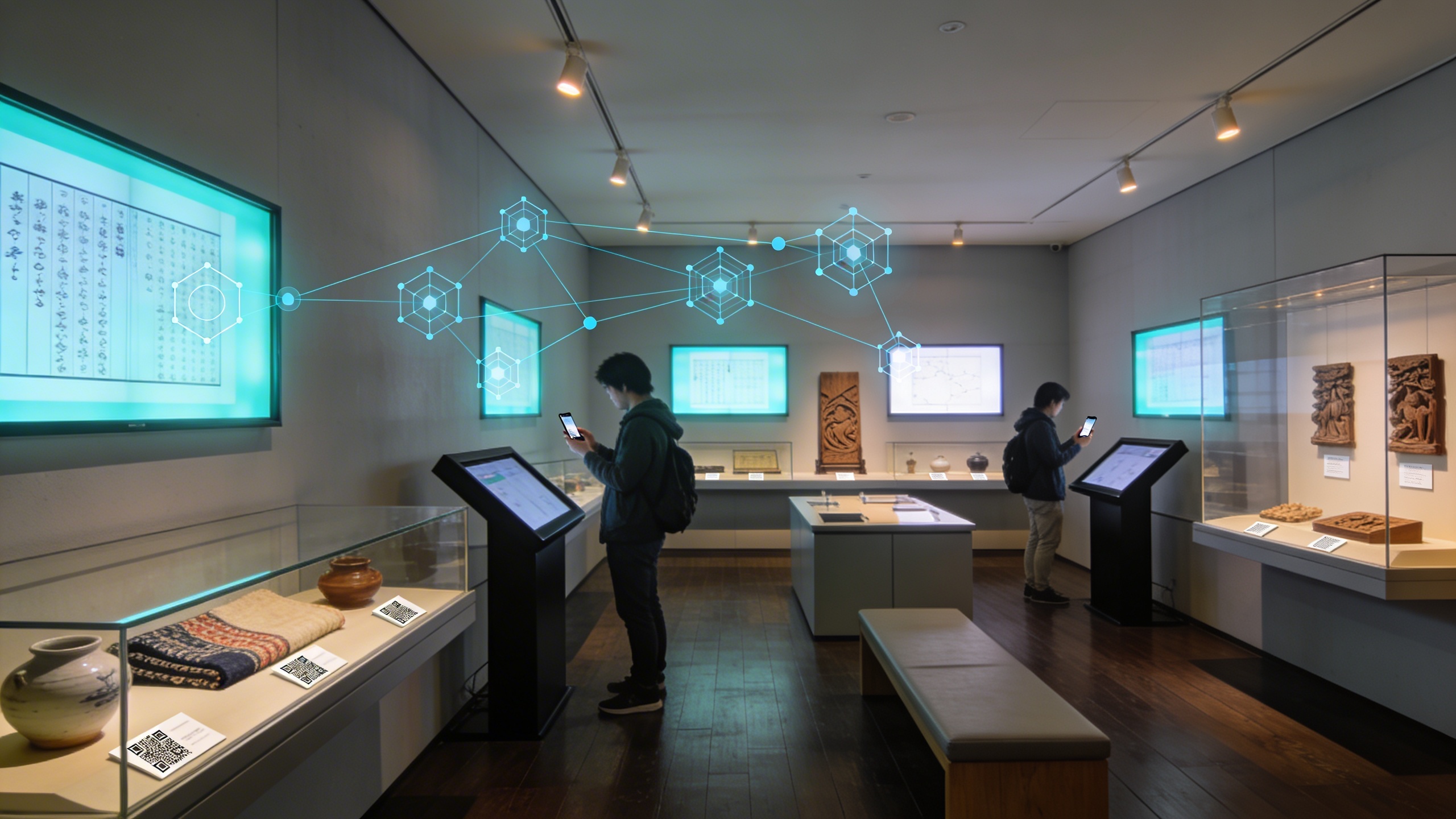
On the other hand, what is the intent behind Saga City publicizing case studies of digitizing paper forms and app development on its website? While there are certainly aspects of “public relations” and “showcasing results,” at a deeper level, it can be interpreted as an attempt to provide the “reproducibility” of its own success (or failure) to external parties.
DX in municipalities is a world where “precedent” is even more critical than in private companies. Concrete methods used by other municipalities, costs incurred, obstacles faced, and how they were overcome—this raw information becomes the best material for neighboring cities and towns to gauge “reproducibility.”
This move by Saga City is highly suggestive for management. A successful IT implementation (DX) within your company should not end as merely a transient “project completion.” It demonstrates a higher-level way of thinking about IT: embedding it as knowledge in a “form that can be reproduced next time,” and further validating its value through external dissemination.
This aligns with the concept of “Strategic IT.” The purpose of Strategic IT is “decision-making and reproducibility.” If a certain operation is digitized and made efficient, then that “method” itself should be assetized and kept in a state where it can be reproduced in other departments, businesses, or even future M&A targets. It could be said that Saga City is practicing this, extending it even to the “external” realm of inter-municipal relations.
Three Management Questions for Purchasing/Designing “Reproducibility”
So, how should management ensure “reproducibility” in their company’s IT? Whether considering outsourcing or proceeding in-house, starting with the following three questions is key.
1. Will our IT operations not stop even if Mr./Ms. A is absent?
“Ask Mr./Ms. A, they’ll know” is the ultimate risk declaration. Are password management, vendor contacts, basic configurations, and routine procedures documented and accessible to anyone? When considering outsourcing, you should also confirm, as a core part of the contract, how the vendor promises to make these items “visible.”
2. Can successful digitalization be “copy & pasted” to other departments?
CRM implementation succeeded in the sales department. Can the selection process, implementation method, and strategies for dealing with resistance be used when the procurement department introduces a cloud procurement system? If you start from zero with every project, that’s proof that “reproducibility” has not been designed. Like Saga City, start by documenting successful cases internally as “case study collections.”
3. Are we investing in IT for the “tool” or for the “manual on how to use the tool”?
Even if you introduce expensive SaaS, if its utilization method remains the tacit knowledge of a few talented employees, the ROI is personal and unstable. Always include a budget for “operational design and knowledge transfer costs” in your tool implementation budget. This is an area that management should take the lead in designing, not leave solely to the tool vendor.
The Key to Integration: Connecting Management IT and Strategic IT through “Reproducibility”
Outsourcing, represented by “Jōshis 365,” primarily productizes the reproducibility of “Management IT” (stable operations). On the other hand, Saga City’s case study dissemination externally demonstrates the practice of “Strategic IT” (decision-making / designing reproducibility).
The problem seen in many companies is the disconnect between these two. The IT admin department (or external vendor) handles “Management IT” for stable operations, while various business departments haphazardly introduce “Business IT” for efficiency and growth. The layer of “Strategic IT,” which connects both and designs a “system of reproducible IT utilization” for the entire company, is hollowed out.
The role management must play is precisely to fill this void. If using external services to ensure the reproducibility of Management IT, define whether the contract content reflects your company’s “Strategic IT” philosophy (what knowledge should be accumulated, what reporting format aids decision-making). If you’ve created successful cases internally, don’t let them end as mere award-winning examples; formalize them as “Strategic IT” assets and elevate them to a company-wide standard “reproducible methodology.”
The news about “Jōshis 365” and the news about Saga City both illuminate, from different angles, the importance of the common currency of “reproducibility” in IT. The management decision is clear. The next time you make a decision regarding IT, first evaluate it on this axis: does it enhance “personalized capability,” or does it build a “reproducible system”? Investment in the latter is the first step to turning IT into a solid foundation for management.

Comments